CONSULTING ARBORISTS
Our Arborists are willing and available to consult and provide any pertinent or necessary Arborist reports. Whether you want to assess tree health or need an Arborist report for city planning and developing, we have you covered.
Most people assume that general landscaping companies are best for any plant outside of trees. While they may be able to provide some great services and advice, an arborist will have an even bigger wealth of knowledge to draw upon. They will be able to examine how each aspect of your landscape ties into long-term plant and tree health, which can help you avoid the difficult process of nursing damaged trees back to health. An arborist will help with a variety of key plant health tasks, including:
- Identifying signs of diseases or insects:
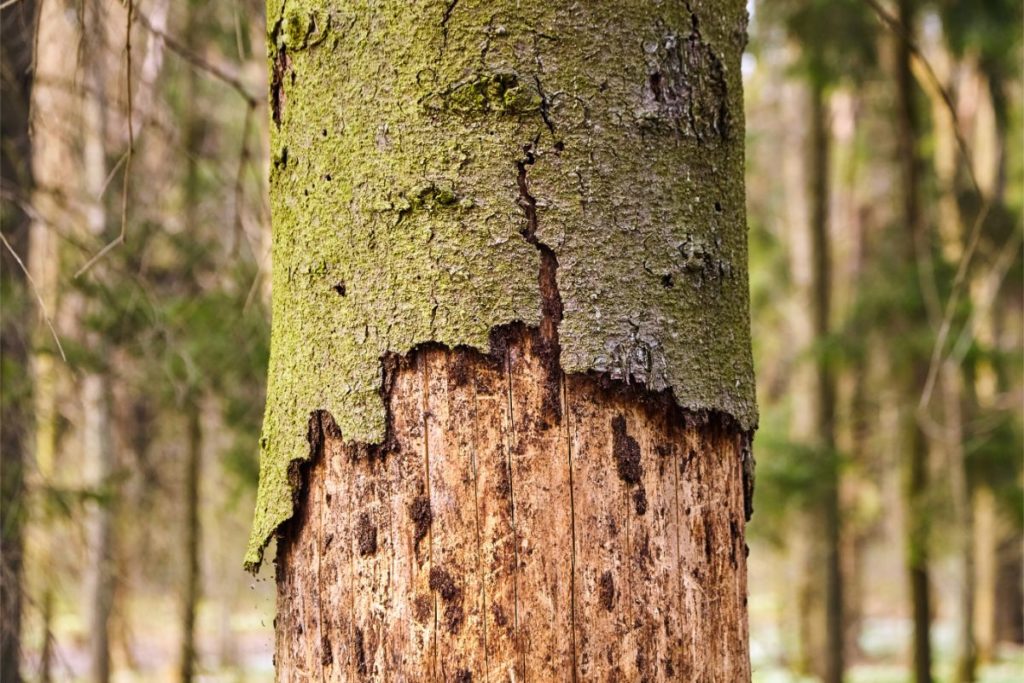
Fungus, bacteria, and insects are all common culprits for poor plant or tree health. We know how to spot the early signs of disease or infestation so we can treat the problem before it wreaks havoc on your yard.
- Recognizing environmental factors that are impacting plant health:
Did we have a particularly dry summer, or perhaps an overly rainy spring? Is the soil not prepared to support plant health? Are your trees planted at the right depth? If uncontrollable environmental factors are impacting your plant health, we’ll be able to identify the root cause of the problem and create a plan to preserve the health of your yard.
- Spotting and eradicating invasive plants:
Southwest Virginia is home to many different kinds of invasive plants, which can cause damage to your landscape if left untreated. Though it can be difficult to eradicate invasive species, our team knows exactly how to create and implement an appropriate elimination strategy.
- Making recommendations for plants based on your goals:
Want more trees or shrubs but not sure which kind you should get? We can advise you based on which plants are most suitable for your environment, aesthetic goals, maintenance levels, and more.
- Identifying and relieving stress in your trees:
Your landscape plays a significant role in the overall health and stress levels of your trees. Perhaps the largest advantage of getting plant health care from an arborist is that we will help you optimize your property to ensure your trees are always strong, healthy, and beautiful.
Ready to schedule your tree & plant care service?
Click below to leave your information and we will call you right back!

WHAT DO TREE & HEALTH ARE PLANS INCLUDE?
With a plant and tree health care plan from Arbor Docs Virginia you can expect exceptional and comprehensive services that address each component of your landscape. Depending on your specific goals and needs, we can provide a full range of proactive services such as:
- Disease and insect management
- Fertilization and soil amendments
- Ornamental pruning
- Growth regulators
- Invasive plant management
- Mosquito and tick control
- Deer repellant
- Air spading and root collar inspection
- Dormant oil application
- Year-Round Management services
Take Charge of Your Plant Health Today!
No matter what your landscaping goals are, the experts at Arbor Docs Virginia are here to help. Our highly skilled arborists are an excellent resource for anybody who wants to boost the beauty, health, and longevity of their yard. Thanks to our 35+ years of experience helping in the southwest Virginia area, we know exactly how to help local plants and trees thrive while providing exceptional customer experience. We proudly serve homeowners, businesses, municipalities, and more. If you want to upgrade your property with reliable and professional plant care plans, call our team today!
WHAT IS THE DIFFERENCE BETWEEN AN ARBORIST REPORT AND A TRAQ REPORT?
What is an Arborist Report?
Arborist reports give detailed information regarding the health and condition of a tree. What’s more, they document any concerns such as disease or structural damage and offer recommendations for each tree in question. Some recommendations may include site remediation, fertilization, pest control, pruning, and/or removal.
We provide timely arborist reports to ensure your job is completed to your specifications and meets City requirements. Hoppe’s Tree Service also provides complete, up to date tree inventory records on both public and private properties that deliver critical information now and in the future.
What is a TRAQ Report?
A Tree Risk Assessment Qualified (TRAQ) report is a written document that evaluates the potential risks associated with trees. This includes the likelihood of failure and the consequences of failure. A qualified professional who has been trained and certified in the principles and practices of tree risk assessment, prepares the report. The assessment considers factors such as the tree’s species, location, condition, age, and structural integrity. It also accounts for the surrounding environment, including nearby buildings, sidewalks, and power lines. The TRAQ report provides recommendations for reducing or mitigating the risks associated with the trees. Property owners, tree care professionals, and local governments use the report to prioritize tree maintenance and management activities.
TYPES OF TREE ASSESSMENTS
Tree assessment evaluates the health, structure, and safety of trees. It can involve a detailed inspection of the tree’s leaves, branches, trunk, roots, and surrounding environment to determine its current condition and potential risks. The assessment can be performed by an Arborist or one of our tree specialists.
Tree assessments can be used to develop a management plan for trees, including recommendations for maintenance, pruning, or removal. Tree assessments are important for ensuring the health and safety of the tree and its surrounding environment.
There are generally three levels of tree assessments:
Level I Assessment
This is our standard level when performing tree assessments and inventories. A Level I tree assessment is a basic evaluation of a tree’s overall health and safety. This typically includes a visual inspection of the tree from the ground. The Arborist or tree specialist looks for signs of disease, pests, damage, and structural weaknesses. The assessment can review the tree’s growth and development patterns, including crown density and canopy spread.
A Level I assessment does not include intrusive methods such as drilling, excavation, or soil testing. The purpose of a Level I assessment is to identify any immediate concerns that need to be addressed, but it is not a comprehensive analysis of the tree’s long-term health and stability.
Level II Assessment
Level II tree assessment is a more comprehensive evaluation of a tree’s structure, health, and stability. It involves a thorough inspection of the tree’s crown, trunk, and root system. Additionally, it considers the surrounding area, including the soil and other environmental factors. The assessment provides a detailed analysis of the tree’s physical condition, including its growth pattern, branching structure, and any signs of disease or damage. The purpose of a Level II tree assessment is to identify any potential hazards or structural weaknesses that could pose a risk to people, property, or the environment. This information can then be used to develop an Arborist Report and/or management plan to ensure the tree’s long-term health and stability.
Level III Assessment
A Level III Tree Assessment is a comprehensive evaluation of the health and safety of a tree, or trees, in an urban or suburban landscape. This assessment is conducted by a Certified Arborist or Consulting Arborist and involves a thorough examination of the tree or trees.
WHAT IS THE DIFFERENCE BETWEEN AN ARBORIST REPORT AND A TRAQ REPORT?
What is an Arborist Report?
Arborist reports give detailed information regarding the health and condition of a tree. What’s more, they document any concerns such as disease or structural damage and offer recommendations for each tree in question. Some recommendations may include site remediation, fertilization, pest control, pruning, and/or removal.
We provide timely arborist reports to ensure your job is completed to your specifications and meets City requirements. Hoppe’s Tree Service also provides complete, up to date tree inventory records on both public and private properties that deliver critical information now and in the future.
What is a TRAQ Report?
A Tree Risk Assessment Qualified (TRAQ) report is a written document that evaluates the potential risks associated with trees. This includes the likelihood of failure and the consequences of failure. A qualified professional who has been trained and certified in the principles and practices of tree risk assessment, prepares the report. The assessment considers factors such as the tree’s species, location, condition, age, and structural integrity. It also accounts for the surrounding environment, including nearby buildings, sidewalks, and power lines. The TRAQ report provides recommendations for reducing or mitigating the risks associated with the trees. Property owners, tree care professionals, and local governments use the report to prioritize tree maintenance and management activities.
PERFORMING AN AERIAL INSPECTION
An aerial tree inspection examines the condition and health of a tree’s canopy from an aerial perspective, using either a bucket truck or drone. A climber also navigates throughout the crown of the tree to look for signs of damage, decay, or disease that may affect the tree’s stability and health. Aerial inspection is commonly used by arborists, forestry professionals, and property managers to assess the safety and maintenance needs of trees in urban and rural areas.
TREE HEALTH CARE
WHAT IS TREE HEALTH CARE?
Tree Health Care (THC), also known to some in the industry as Plant Health Care (PHC), is the holistic approach to the health and care of our trees, shrubs, and surrounding plant life. It is a total health care solution that focuses on developing and maintaining the health of our urban forest. Give your trees some THC and let them live their best lives.
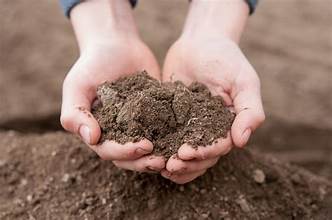
TREE HEALTH STARTS FROM SOIL.
One of the most common questions we get asked is, “What’s wrong with my tree?”
In the urban environment, trees face issues that are not normal in nature. Site condition issues such as compact soil, nutrient poor soil, insufficient water, and limited growing space are some of the factors that can “stress” out a tree. When trees are in a “stressful” environment, they become more prone to pest and disease.
Treating pest invasion and disease is often a secondary issue. We like to look at the primary issues that usually stem from the soil and roots and/or site factors.
TREES NEED DOCTORS, TOO!
Hoppe’s Tree Service’s dedicated teams specialize in the health and management of your trees. They are experienced Tree Health Care (THC) specialists that can provide proper solutions for your trees at any stage. This means that our THC specialists can treat various types of tree pests, bugs, and disease with tried-and-true methods that are environmentally safe and effective.
Of course, there are also more serious pests and diseases that we may not be able resolve depending on the extent of infection or infestation. This is why preventative treatment is so important!
OUR CARE EXTENDS PAST PRUNING & MAINTENANCE.
We can make recommendations for root health, soil boosting techniques, mulching, watering programs, drainage, and deep root fertilization.
TREE PEST & DISEASE MANAGEMENT
Bugs n’ things are natural in nature. They become “pests” when the organism compete with our interests and becomes a nuisance, or worse, detrimental to our trees.
The term “Pest” includes insects, weeds, fungi, viruses, and bacterium. Hence, a “Pesticide” is anything that helps to control these pests.
Not all pests require pesticides. The goal of pest and disease management is not to eradicate everything entirely, but to suppress it to an acceptable level.